Insights from the NECE Lab in Lisbon
By Petra Ignjatović and Tea Dorogi
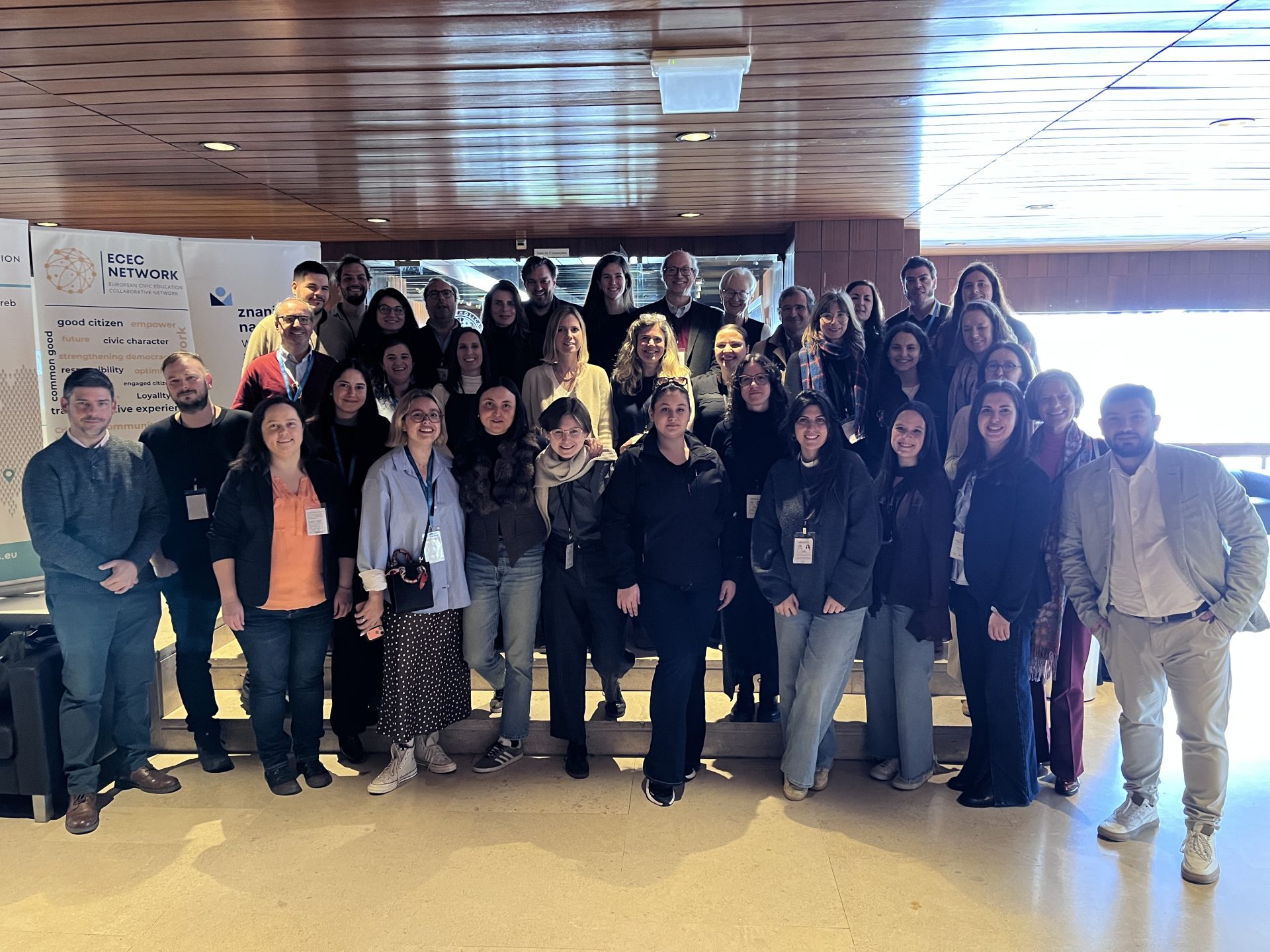
From March 9–11, Lisbon became a meeting point for educators, researchers, and civic practitioners from across Europe, gathering for the NECE Lab on Transformative experiences in civic education.
Hosted by THE CIVICS Innovation Hub in partnership with Znanje na djelu, ECEC Network, and local partners, the Lab created a collaborative space for those working at the intersection of education and democracy. Bringing together perspectives from formal and non-formal education, the Lab focused on a central question:
What makes civic education truly transformative?
At a time when democratic systems face increasing pressure and education systems are being reshaped by technological and societal change, the Lab invited participants to move beyond content delivery and reflect on how learning experiences can shape identity, agency, and belonging.
From knowledge to transformation
A shared starting point quickly emerged:
Civic education often prioritises what students know — but not enough who they become.
Across sessions, participants explored how civic learning can move beyond knowledge acquisition toward deeper changes in attitudes, behaviours, and participation. Transformative experiences were understood as processes that connect personal development with collective engagement and democratic participation.
Particular attention was given to how these experiences can be designed, recognized, and evaluated, highlighting the need for more comprehensive approaches that go beyond short-term outputs and instead focus on long-term impact on learners and communities.
Dialogue as a core method
A defining feature of the Lab was its emphasis on dialogue as a method.
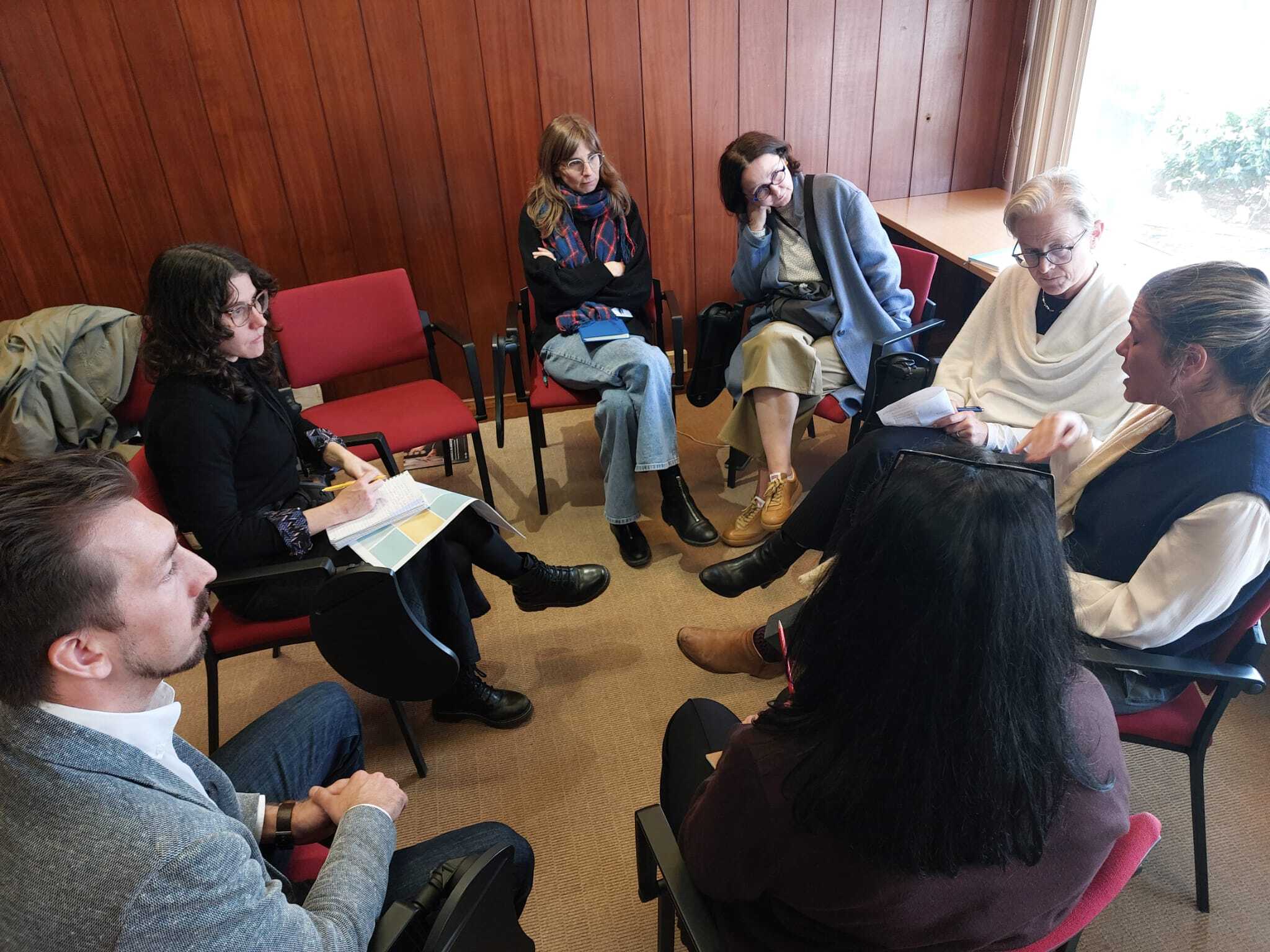
From the opening activities to structured exchanges, participants were consistently placed in situations that required listening, reflection, and co-creation. Dialogue was framed as a key condition for transformative learning: a space where different perspectives can meet, assumptions can be challenged, and new understanding can emerge.
Rather than positioning participants as passive recipients of knowledge, the Lab fostered a culture of shared inquiry. Experiences, challenges, and practices were continuously exchanged across sectors and countries, creating a dynamic learning environment grounded in mutual respect and curiosity.
This approach reinforced a central insight:
Transformative civic education is inherently relational; it happens through interaction rather than through instruction.
Understanding today’s challenges in civic education
A key thread throughout the Lab was the need to rethink how we design learning for young people.
Drawing on insights from the science of learning and youth development, participants explored how civic education can better respond to the realities of adolescence. This included recognising the role of emotions, identity, and social relationships in shaping how young people engage with learning and society.
Several challenges were highlighted:
- Civic education is often treated as a secondary or isolated subject
- Young people are rarely included in designing their own learning experiences
- Educators lack structured support and training in participatory approaches
- Connections between schools and communities remain limited
These challenges point to a broader need to shift both mindsets and practices, placing learners at the centre of civic education.
Designing transformative learning experiences
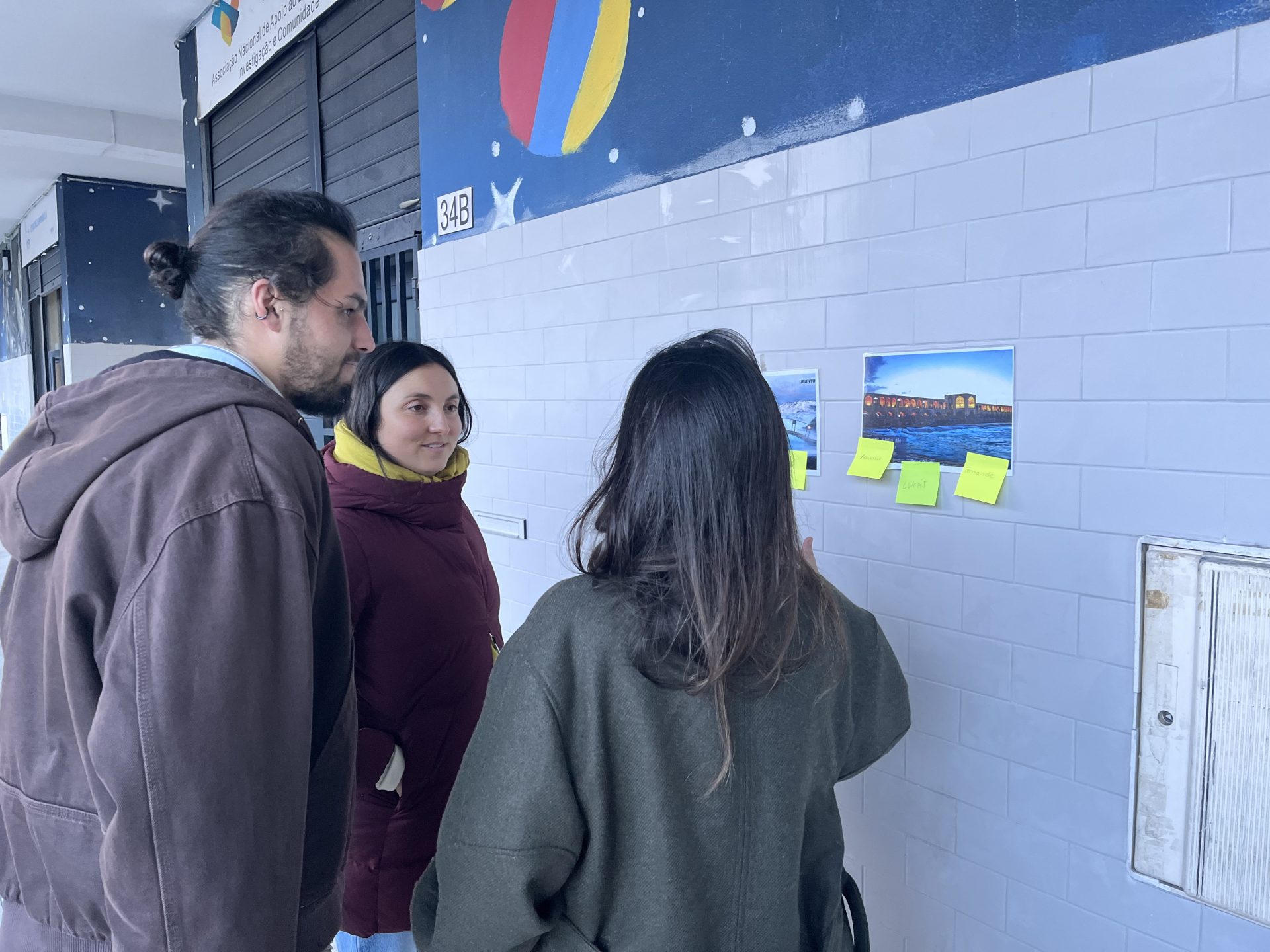
The Lab placed strong emphasis on practical exploration, inviting participants to reflect on their own work and co-create new approaches.
Discussions focused on identifying the key elements that make civic learning experiences transformative. These included meaningful participation, real-world relevance, opportunities for reflection, and sustained engagement over time.
A recurring theme was the importance of agency, creating conditions where learners are not only engaged but empowered to act and contribute.
Equally important was the role of educators in facilitating these processes: not as knowledge transmitters, but as designers of learning environments that enable exploration, dialogue, and collaboration.
From civic practice to EU policy
The final day of the Lab expanded the discussion from practice to policy, bringing in perspectives from European and national stakeholders.
A panel discussion explored how insights from civic education practice can inform broader policy frameworks, particularly in the context of ongoing European efforts to strengthen democratic resilience and civic participation.
The conversation highlighted several key tensions:
- The gap between innovative practice and institutional frameworks
- The difficulty of integrating civic education into formal systems
- The lack of consistent metrics to assess impact at scale
- The challenge of aligning educational goals with democratic priorities
At the same time, the discussion pointed to opportunities for stronger alignment between educators, civil society, and policymakers.
Particular emphasis was placed on the need to:
- Better connect grassroots initiatives with policy processes
- Create supportive environments for experimentation and innovation
- Recognise civic education as a cross-cutting priority within education systems
- Strengthening collaboration across sectors and levels of governance
This policy dimension reinforced the idea that transformative civic education requires not only pedagogical change, but systemic support.
Key takeaways for educators
Several key insights emerged from the three-day exchange:
- Transformative civic education is learner centred. Identity, belonging, and emotional engagement are essential foundations.
- Dialogue is a core civic competence. Creating space for meaningful exchange is central to both learning and democracy.
- Agency must be embedded in practice. Learners need real opportunities to participate and influence outcomes.
- Reflection is critical for impact. It is what turns experience into lasting learning.
- Policy and practice must connect. Without systemic support, even the most innovative approaches remain limited in reach.
The Lisbon Lab is part of a broader European effort to rethink civic education in a time of rapid change. As schools and learning environments are being reimagined in response to technological, social, and political shifts, the need for approaches that foster agency, resilience, and democratic engagement is becoming increasingly urgent.
The NECE Lab is organized by THE CIVICS Innovation Hub in partnership with Znanje na djelu and ECEC Network and is a part of the COMPASS Europe: Civic Education and Dialogue for Europe’s Future project, co-funded by the European Union.
Views and opinions expressed are however those of the author(s) only and do not necessarily reflect those of the European Union or the European Education and Culture Executive Agency. Neither the European Union nor the granting authority can be held responsible for them.
NECE is financially supported by the German Federal Agency for Civic Education | bpb and led by THE CIVICS Innovation Hub.


